
When people think about logistics, they often picture warehouses, cargo ships, trucks, and
large distribution centers moving products across countries and continents.
Yet one of the most important stages in the entire supply chain happens right at the very
end.
This stage is known as last-mile delivery.
Last-mile delivery refers to the final movement of a package from a transportation hub or
distribution center to the customer. While it may seem like a small part of the journey, it is
often the stage that has the greatest impact on customer satisfaction.
After all, customers rarely see what happens inside warehouses or distribution facilities.
What they experience directly is whether their package arrives on time, arrives in good
condition, and arrives where it is supposed to.
This is why last-mile delivery has become a major focus for logistics companies around the
world.
The growth of e-commerce has played a significant role in this shift. As online shopping
continues to expand, customers have become accustomed to faster delivery times and
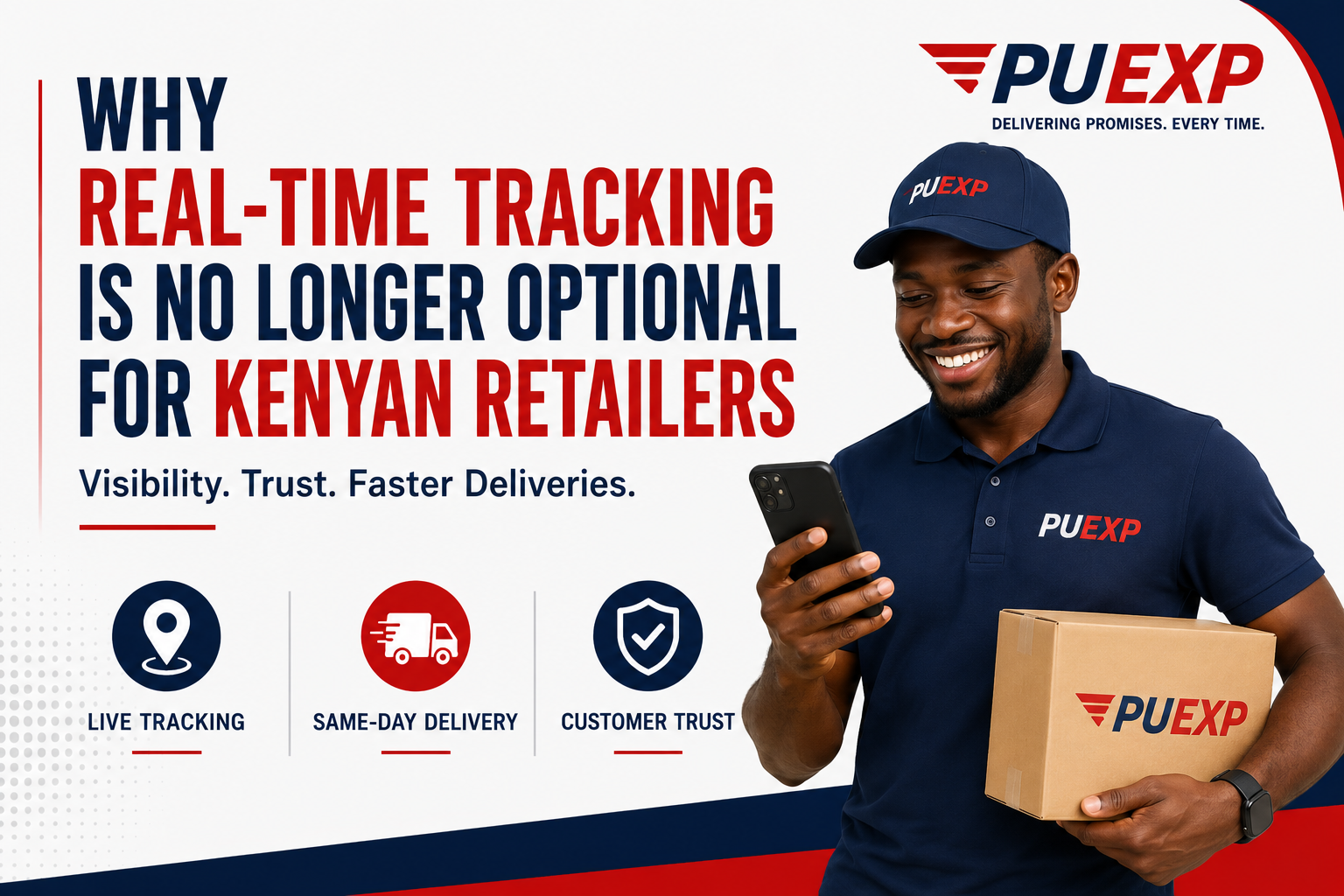
greater convenience. Many now expect same-day or next-day delivery, real-time tracking,
and regular updates throughout the delivery process.
Meeting these expectations is not always easy.
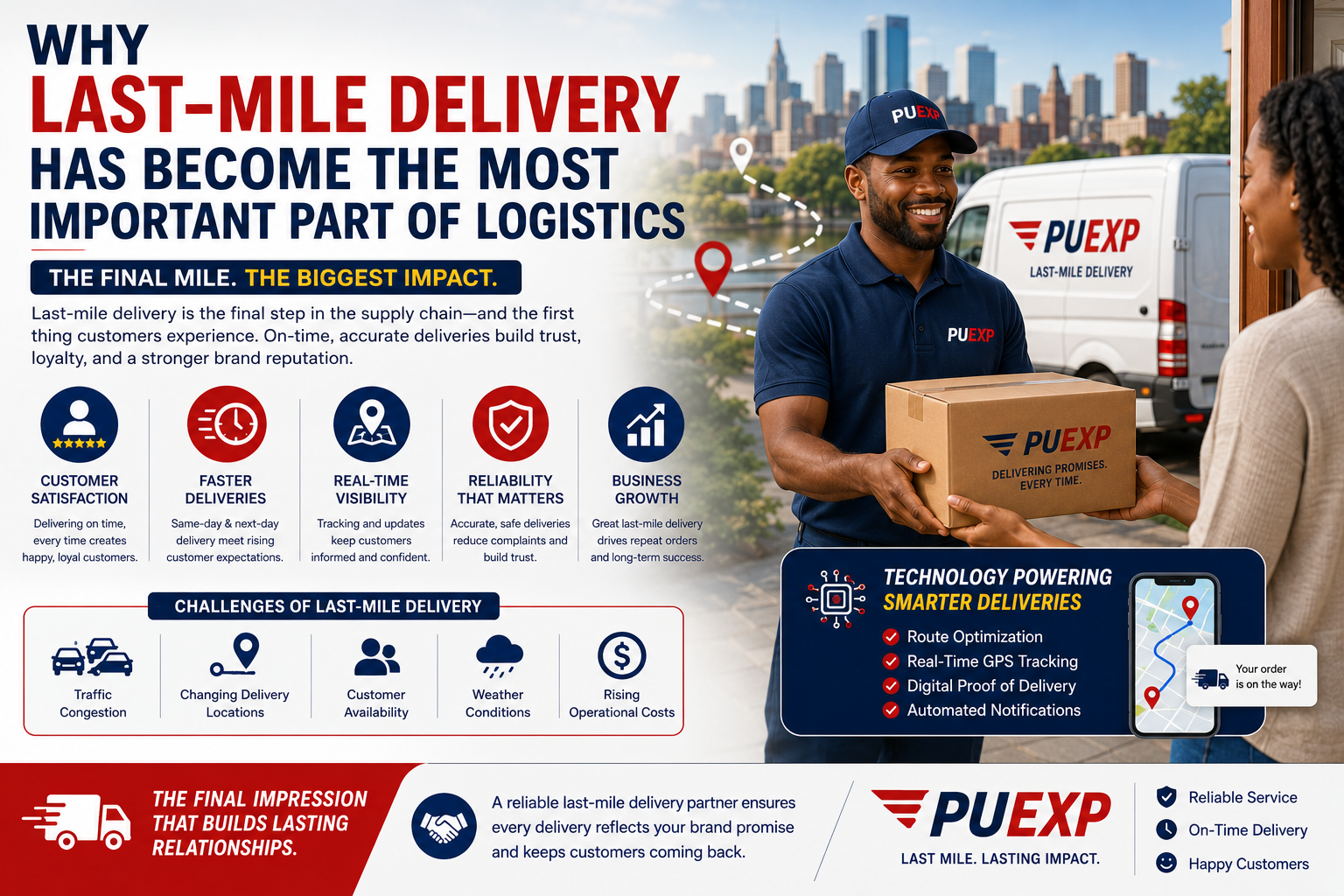
Urban traffic congestion, changing delivery locations, customer availability, weather
conditions, and operational costs all create challenges for logistics providers. What appears
to be a simple delivery can involve careful route planning, communication, and coordination
behind the scenes.
For businesses, the quality of last-mile delivery can influence customer loyalty.
A customer who receives a package quickly and without complications is more likely to order
again. On the other hand, repeated delivery issues can damage trust and negatively affect a
company’s reputation.
This is one reason why many businesses are paying closer attention to their logistics
partners.
A reliable last-mile delivery provider does more than transport packages. They become part
of the customer’s overall experience with a brand.
Companies such as Pierre Ubora Express help bridge this gap by ensuring that deliveries
are handled professionally, communicated clearly, and completed efficiently. For businesses,
this means being able to focus on serving customers while knowing their logistics needs are
being managed effectively.
Technology is also transforming last-mile delivery.
GPS tracking, route optimization software, digital proof of delivery, and automated
notifications are helping logistics providers improve efficiency while giving customers greater
visibility into the delivery process.
As customer expectations continue to evolve, last-mile delivery will likely become even more
important. Businesses that invest in reliable logistics solutions will be better positioned to
meet demand, improve customer satisfaction, and remain competitive in an increasingly
digital economy.
At its core, last-mile delivery is about more than simply completing a shipment.
It is the final impression a customer receives.
And in today’s market, that final impression can make all the difference.